Voiceover Recording Studios in Los Angeles: What to Look For and How to Lock In Your Session
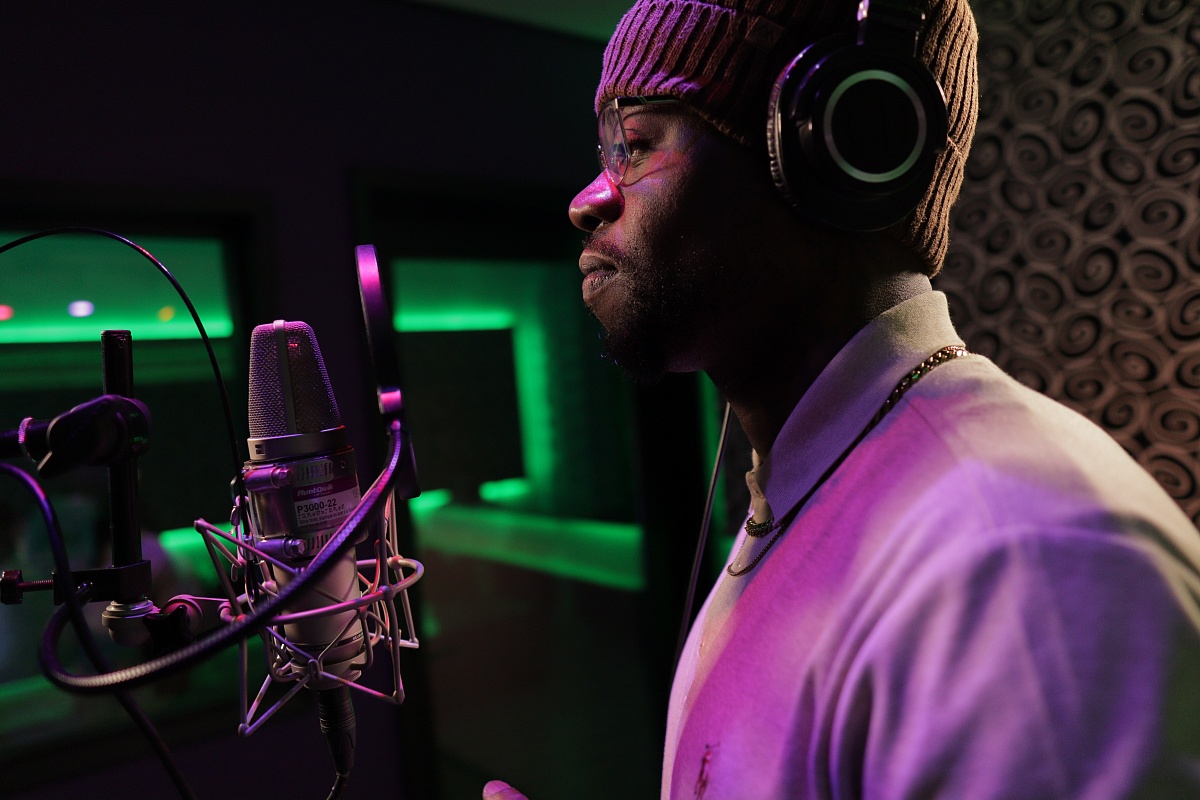
Voiceover Recording Studios in Los Angeles: What to Look For and How to Book Your Session
Los Angeles has more working voice actors per square mile than almost any other city in the world. Animation studios, streaming platforms, ad agencies, audiobook publishers, post-production houses, and game developers all call LA home — and they all need professional voiceover recording. But finding the right studio for your VO session in a city this large can be overwhelming. This guide breaks down what actually matters when choosing a voiceover recording studio in Los Angeles, what questions to ask before you book, and what to expect when you show up for your session.
For more tips on booking voiceover work, check out this resource.
What Makes a Studio Good for Voiceover Recording?
Not every recording studio in Los Angeles is set up for voiceover work. Music studios and VO studios share some equipment, but VO recording has specific requirements that go beyond a good microphone and a capable engineer.
Acoustic Treatment
The most important element of a professional VO session is the acoustic environment. Audiobook publishers like Audible (through ACX) and most commercial VO clients require a room with a very low ambient noise floor — meaning no HVAC rumble, no street noise bleed, no flutter echo. A studio that sounds great for drums or electric guitar might not pass ACX quality checks for audiobook narration. Ask any studio you're considering what their measured noise floor is, and whether they've had clients successfully pass ACX QC. Good VO rooms have been specifically treated for spoken word: heavy absorption on walls and ceiling to minimize reflections, and a well-controlled low-frequency response.
Microphone Selection
The standard for most VO work — narration, commercial, corporate, animation — is a large-diaphragm condenser microphone. Common choices include the Neumann U87, Audio-Technica AT4060, and similar broadcast-standard mics. Some character work and loud performance VO (shouting characters, intense game dialogue) benefits from a dynamic microphone alternative. A studio that offers only one microphone option is not necessarily a problem, but knowing what they have helps you and your director make informed choices about the session setup.
Engineer Experience with VO
A recording engineer who has only done music sessions may not know the workflow conventions of ADR, audiobook, or commercial VO. VO sessions have their own pacing: take management, directing notes, pick-up takes, naming conventions for delivery files, and often real-time communication with a remote director via Source-Connect or phone patch. Ask whether the studio engineers have specific experience with voiceover sessions before booking an engineered session.
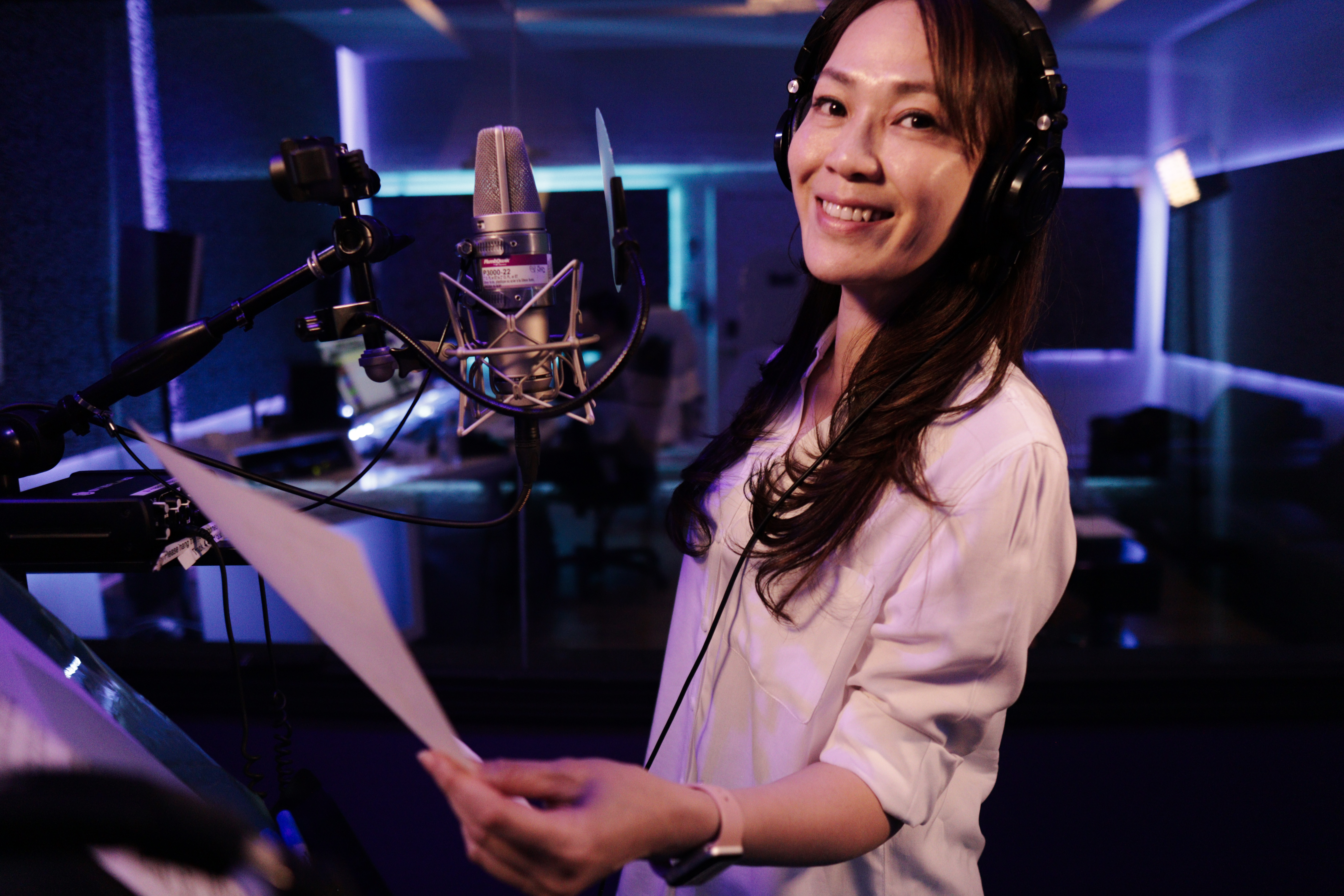
Remote Session Capability
Commercial voiceover clients — ad agencies, brand managers, animation studios — frequently direct sessions remotely. The industry-standard tool for remote session direction is Source-Connect, which provides low-latency, broadcast-quality audio streaming between a recording studio and a remote director anywhere in the world. ipDTL is a browser-based alternative. If you do commercial VO, check whether your studio supports Source-Connect before booking.
Availability and Location
Voice actors in Los Angeles know the traffic reality: a studio across town that costs $10 less per hour might cost you an extra hour in commute time. Central location — near Downtown LA, accessible from major freeways — makes a significant difference for busy voice actors booking multiple sessions per week. After-hours availability is also a genuine differentiator: many voice actors work around auditions, callbacks, and existing bookings, and having access to a 24/7 studio removes a significant scheduling constraint.
Types of Voiceover Sessions and What Each Requires
Audiobook Narration
Audiobook sessions are long-form — typically 4 to 8 hours per finished hour of audio — requiring consistent acoustic conditions, take management, and either engineer support or a well-configured self-directed setup. ACX specifications include specific requirements for noise floor (below -60 dBFS RMS), peak levels (-3 dBFS), and file format (WAV, 44.1 kHz, 16 or 24 bit). Publishers will reject files that don't meet these specs, so working with a studio that understands ACX compliance matters.
H3] ADR
ADR sessions require picture lock playback capability — the studio needs to be able to play your locked video cut while the voice actor watches and re-records dialogue in sync. ADR is demanding technically and artistically, requiring an engineer who understands the sync workflow and can manage multiple takes efficiently while the director (often remote) reviews and approves.
Commercial VO
Commercial sessions move fast and prioritize technical perfection. Ad agency clients will want multiple reads — different tempos, energy levels, and phrasings — and the engineer needs to be able to retrieve specific takes quickly and manage file naming for easy editor review. Broadcast delivery specs (stereo or mono, sample rate, loudness normalization) must be met precisely.
E-Learning and Corporate Narration
E-learning narration sessions are high-volume and detail-oriented: long scripts, consistent pacing across modules, and precise file management for handoff to instructional designers. Many corporate clients want files named by module and slide number. Having an engineer who understands e-learning workflows can save significant post-session editing time.
How to Book a Voiceover Studio Session at MIX Recording Studio
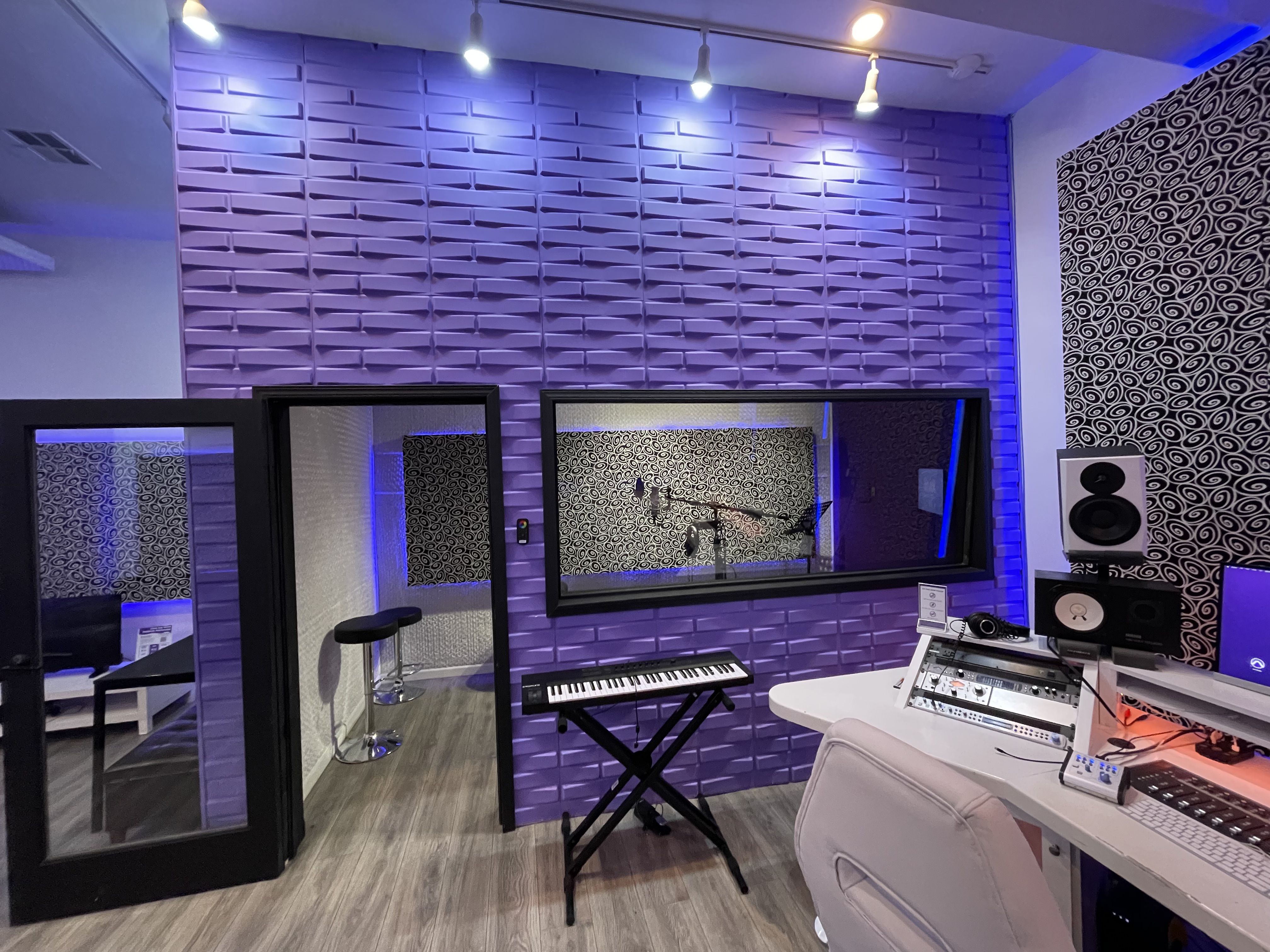
How to Book a Voiceover Studio Session at MIX Recording Studio
MIX Recording Studio is a professional voiceover recording studio located at 539 S Rampart Blvd, Los Angeles, CA 90057 — 1.5 miles west of Downtown Los Angeles, accessible from the 10 and 101 freeways. The studio is open 24 hours a day, 7 days a week, with voiceover session rates starting at $16 per hour for overnight sessions and $49 per hour for daytime sessions. Engineer support is available for $30 to $40 per hour additional. Remote session direction via Source-Connect and ipDTL is supported. To book a voiceover session, use the online booking system on this site or call/text +1 (323) 218-7475.