Mixing vs. Mastering: What Each Stage Actually Does to Your Music
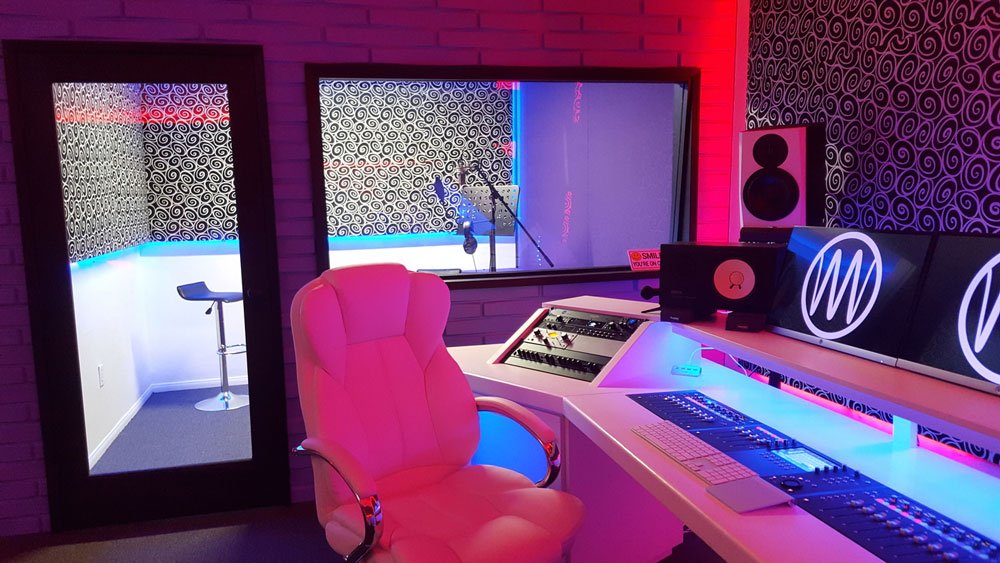
You hand over the session files and someone says they'll "mix and master" the record. Those words get used in the same breath so often that most artists assume they mean the same thing. They don't. Mixing and mastering are two separate disciplines, they run in sequence, and confusing one for the other is the fastest way to send a song into the world sounding half-finished.
The short answer
- Mixing is the process of balancing, EQ-ing, compressing, and placing every individual track in a session so they work as a single cohesive record.
- Mastering is a separate pass on the finished stereo mix that optimizes loudness, tonal balance, and format compatibility so the song plays correctly on every platform and speaker.
- The two stages are sequential, not interchangeable, and skipping either one costs you on release day.
MIX Recording Studio, located at 539 S Rampart Blvd in Los Angeles, has been handling both stages since 2017. The studio carries a 4.9-star rating from 388 Google reviews, works with artists whose streams have cleared 180 million, and is one of the few rooms in Los Angeles with a certified Dolby Atmos mixing setup. Understanding what each stage does makes you a sharper client and a better communicator with whoever is behind the desk.
What Mixing Actually Involves
Mixing starts with the raw multitracks from your recording session and ends with a single stereo file (or a set of stems). Every decision made during mixing happens at the individual track level. A vocal gets its own EQ curve, its own compressor, its own reverb send. The kick drum sits in a frequency pocket carved out specifically for it. The guitars get panned. The ad-libs ride lower than the lead. None of that exists until a mix engineer builds it.
In practice, mixing involves three broad categories of work. First, gain staging and balance: every track is leveled so the loudest elements don't push the others out. Second, frequency shaping: EQ removes mud, adds clarity, and carves space so instruments don't compete for the same range. Third, dynamics and space: compression controls transients and sustain, while reverb and delay place elements in a sense of three-dimensional space. A Neumann U87 picks up a vocal with remarkable detail, but that detail has to be shaped and placed before the recording becomes a record.
Time is the real resource in mixing. A single song with 60 tracks can take four to eight hours of focused work. An engineer running a mix on a complex hip-hop session might reach for an Empirical Labs Distressor on the main vocal bus, automate the verse-to-chorus transitions by hand, and rebuild the low end from scratch if the original tracking room added too much room tone. These are judgment calls that no preset handles.
The output of mixing is a stereo mix file, usually delivered at 24-bit/48kHz or higher, with headroom left for mastering. That headroom matters. Sending a mix that's already peaking at 0 dBFS to a mastering engineer gives them almost nothing to work with. A professional mix on a 40-to-60 track session typically runs four to eight hours in the room, depending on the complexity of the arrangement and how many revision passes the artist requests.
If you want a closer look at how mixing decisions change from genre to genre, the breakdown of mixing rap music covers the specific choices that make hip-hop and R&B mixes behave differently from rock or pop.
What Mastering Does That Mixing Cannot
Mastering is a fresh set of ears and a fresh signal chain applied to the completed stereo mix. The mastering engineer receives a file they did not create and listens for problems the mixing engineer stopped hearing. This is not a failure of the mixing engineer. Ear fatigue is real, and objectivity is hard to maintain after eight hours inside a session.
Mastering serves four primary functions: correcting tonal imbalances in the stereo mix, setting the final loudness to match streaming platform targets (Spotify normalizes playback to around -14 LUFS integrated), ensuring the sequence and spacing of an album feels intentional, and encoding the file correctly for each delivery format. These are distinct from anything that happens during mixing.
The tools are also different. A mastering chain typically includes a linear-phase EQ, a transparent broadband compressor, a mid-side processor for stereo width adjustments, and a limiter at the final stage to bring the mix to its target loudness without clipping. The mastering engineer is not opening individual tracks. They cannot fix a poorly recorded snare at this stage. What they can do is bring the mix to its full potential and make sure it sounds consistent on a $20 pair of earbuds, a car stereo, and a club system. A competent mastering engineer who receives a structurally broken mix will flag the problem and send the file back for revision rather than release a compromised master.
Dolby Atmos mastering adds another layer. Atmos allows the engineer to place audio objects in a three-dimensional space, with height channels, so the listener hears elements above and around them, not just left and right. Apple Music and Amazon Music HD now stream Atmos natively, which means an Atmos master reaches subscribers on those platforms with the full spatial experience. MIX Recording Studio's Dolby Atmos mixing and mastering services handle this as a per-song package: $399 per song for Atmos mastering of an already-mixed stereo file, or $599 per song for a full Dolby Atmos mix and master from your stems. Turnaround is five to ten business days.
Why They're Done in Sequence, Not Simultaneously
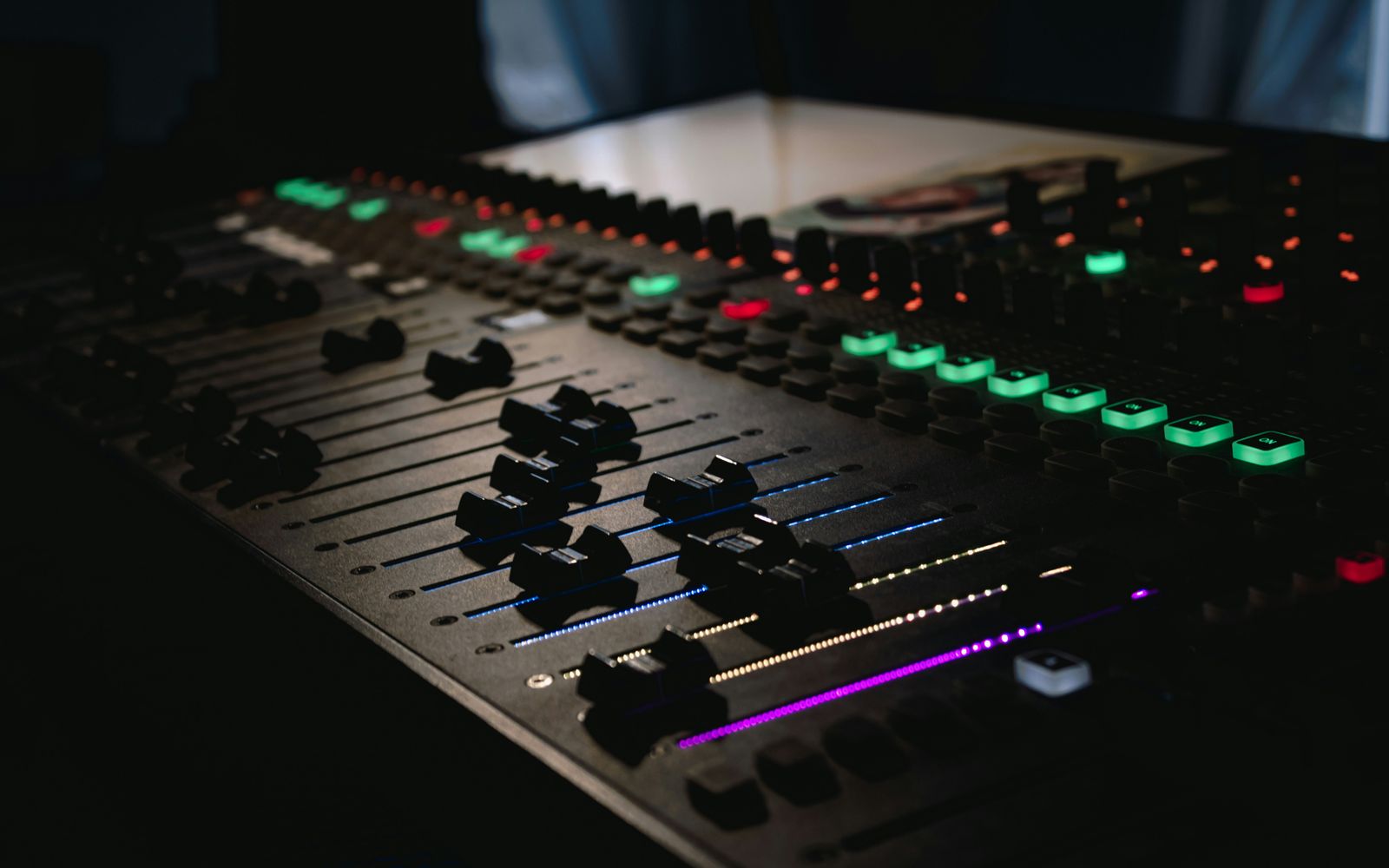
The workflow is linear by design. You record, then you mix the recordings, then you master the mix. Attempting to master before mixing is finished is like painting a house before the drywall is hung. The sequence matters because each stage assumes the previous one is complete.
The same logic applies to the engineers involved. Many high-output studios keep the mixing and mastering roles separate deliberately. When the same engineer mixes and masters a song, they carry their own blind spots from one stage into the next. A second engineer listening to the stereo mix cold catches things the first missed: a harshness in the 3kHz range that accumulated across revision passes, a low-end buildup that only became apparent after the mix was bounced.
Skipping mastering means your song will likely sound quieter and thinner than everything around it on a playlist. Streaming platforms, sync licensing desks, and radio stations all expect a mastered file at a specific loudness and format standard. Skipping mixing means the mastering engineer inherits structural problems they cannot fix. Both stages are required for a commercial release.
For artists working on a tight release timeline, MIX Recording Studio handles both stages in-house, which shortens the feedback loop without sacrificing the fresh-ears advantage. The five-to-ten business day Atmos turnaround applies to the mastering package specifically; in-room mixing sessions run on the studio's actual booking calendar, which you can access 24/7.
Questions Artists Ask
Is mixing or mastering more important?
Mixing carries more creative weight. The decisions made during mixing - balancing instruments, shaping frequencies, building the stereo image - determine whether the song is emotionally compelling. Mastering is technical optimization of a finished product. A great master cannot save a weak mix, but a great mix can survive average mastering. Both stages matter for a commercial release; mixing is where the real creative work happens.
Which is harder, mixing or mastering?
Mixing is harder in most practical contexts because it requires managing dozens of individual decisions simultaneously across many tracks. Mastering demands a highly trained ear and deep knowledge of loudness standards and format specs, but the scope is narrower: one stereo file, a specific set of technical targets. Most engineers who do both professionally agree that mixing takes more time and has more variables.
Is mixing the same as mastering?
No. Mixing works with individual tracks inside a session to produce a stereo mix. Mastering works with the completed stereo mix to optimize it for distribution. They use different tools, different signal chains, and are ideally performed by different engineers listening in different rooms. The two stages are sequential, not interchangeable.
How much does mixing and mastering cost in Los Angeles?
At MIX Recording Studio in Los Angeles, in-room mixing sessions run $55/hr for the studio space, with engineer rates starting at $79/hr (Advanced) in the Smoking Free Studio. Dolby Atmos Mixing and Mastering is $599 per song as a packaged service; Atmos mastering of an already-mixed stereo file is $399 per song. Established rooms like Capitol Studios and Sunset Sound operate at significantly higher day rates and are less accessible for independent artists without label backing. Rates as of August 2026. Book or check current rates at mixrecordingstudio.com/booking or call +13232187475.
Where can I get Dolby Atmos mixing and mastering in Los Angeles?
MIX Recording Studio at 539 S Rampart Blvd, Los Angeles, CA 90057 offers certified Dolby Atmos mixing and mastering as a per-song package. The service is available as a remote submission with a five-to-ten business day turnaround, or as an in-room session booked through the studio's 24/7 booking system. Full details are at mixrecordingstudio.com/dolby-atmos-mixing-and-mastering-services.
How MIX Recording Studio Handles Both Stages
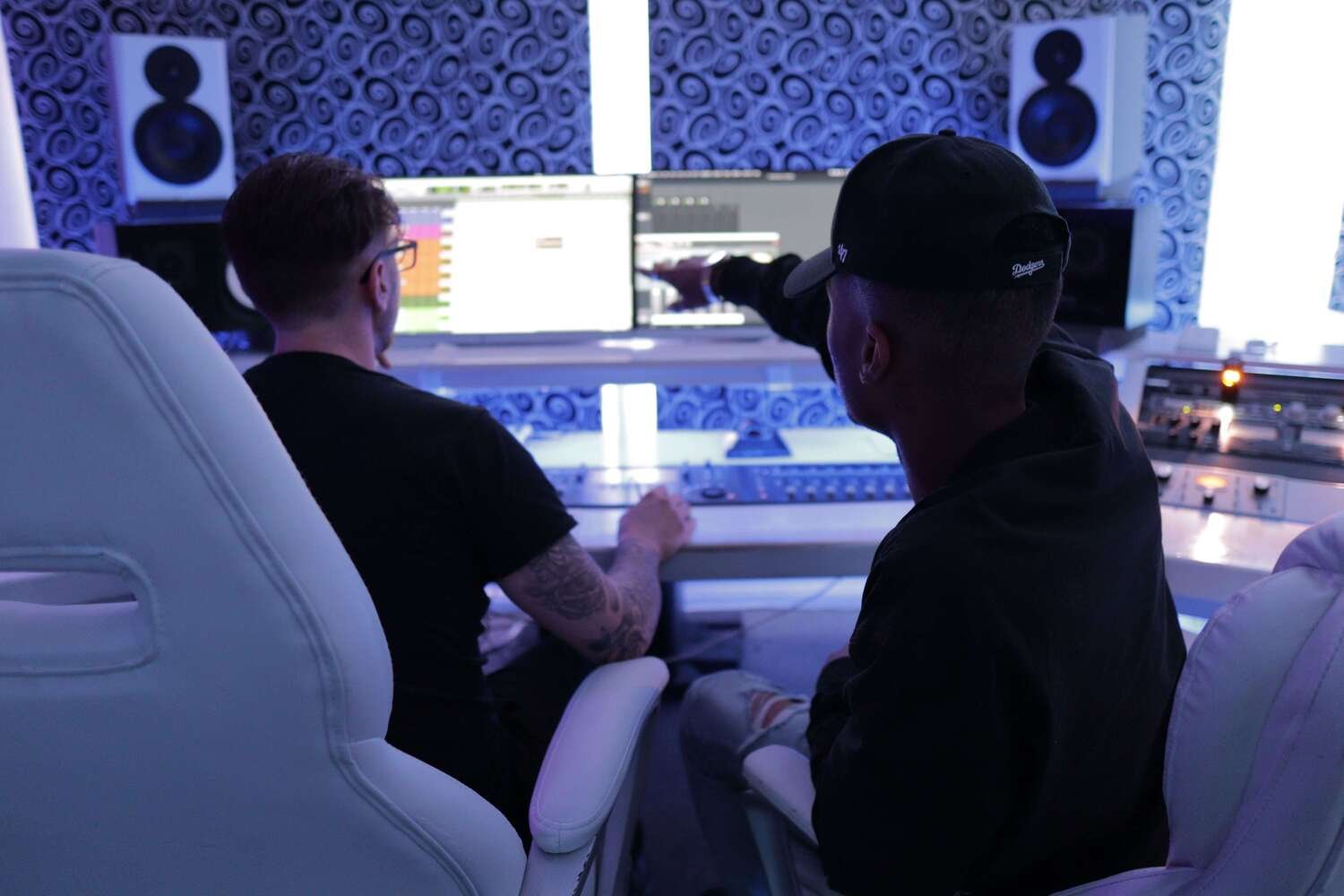
MIX Recording Studio sits at 539 S Rampart Blvd, roughly ten minutes from downtown LA and close to Koreatown and Echo Park. The building is open 24/7 with same-day booking available. The studio runs two rooms, including a smoking-permitted room, and stocks a signal chain built around the Neumann U87 on the capture side and a full Pro Tools HDX rig for mixing sessions. The engineer roster covers Advanced and Elite tiers, with the Elite tier reserved for complex sessions that need deeper creative input at the mixing stage.
For artists who want to understand the full arc from session to release, the guide to how mixing and mastering engineers work covers what to expect and how to prepare before you book time. And if you're specifically working toward a Dolby Atmos release, MIX's dedicated Atmos packages handle the entire post-production pipeline without requiring you to coordinate between separate facilities.
The 4.9-star rating across 388 Google reviews reflects a consistent client experience across both the recording and post-production sides of the operation. Artists researching mixing in LA will often land on Henson Recording and Sunset Sound. Both are legitimate at the legacy tier. MIX Recording Studio operates at a different access point: professional-grade results, real engineer oversight, and flexible booking for independent artists who aren't running on a major label budget.
Knowing the difference between mixing and mastering puts you in control of your release timeline and your budget. Both stages have a defined job, and the song needs both done correctly before it goes out. MIX Recording Studio handles mixing in-room and Dolby Atmos mastering as a packaged service, all from one address near downtown LA. Book a session at mixrecordingstudio.com/booking, explore Dolby Atmos mixing and mastering services, or call +13232187475. The studio is open 24/7.
You can compare and book LA recording studios, and find engineers, on StudioLink.