How Long It Actually Takes to Mix a Song, From First Listen to Final Bounce
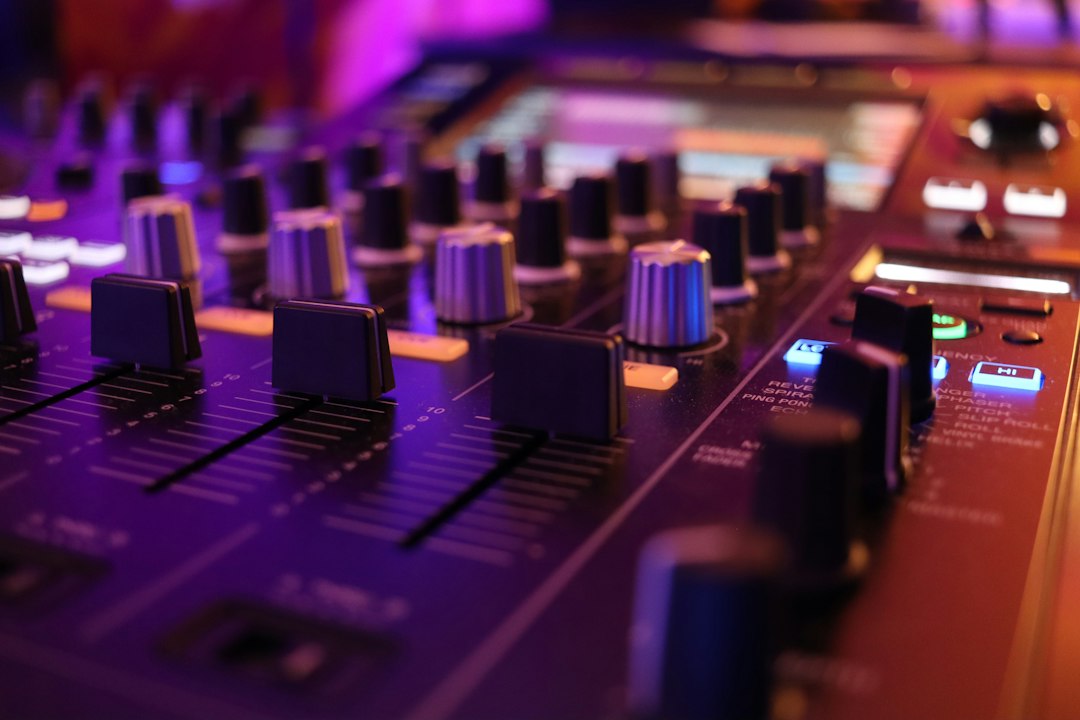
You've finished recording. The vocals are locked. The beat is exactly where you want it. Then someone asks: "So when will the mix be done?" And you realize you have no idea what happens between raw stems and a release-ready track, or how long any of it takes.
The short answer
- A professional mix of a single song in Los Angeles typically takes 4 to 8 hours of focused studio time, depending on track count and genre complexity.
- At MIX Recording Studio in Los Angeles, daytime sessions run $55/hr in the Smoking Free Studio, so a 6-hour mix session comes to $330 before any engineer add-on.
- Songs with 60+ stems, heavy vocal stacking, or Dolby Atmos deliverables regularly require 10 to 16 hours across two sessions at any serious mixing and mastering studio in Los Angeles.
- MIX Recording Studio, located at 539 S Rampart Blvd near downtown LA, is open 24/7 and holds a 4.9-star rating from 388 Google reviews, making same-day and overnight booking straightforward.
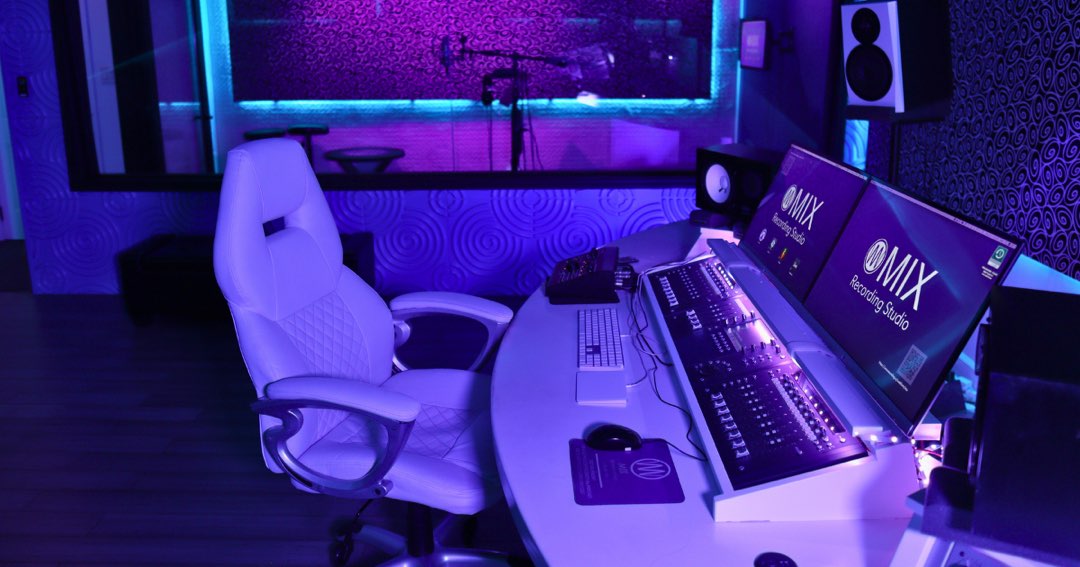
Sessions running through a room that has touched tracks with 180M+ streams, Grammy-nominated projects, and MTV-featured artists teach you one thing fast: the mixing timeline is almost always determined before anyone opens a DAW. At MIX Recording Studio at 539 S Rampart Blvd, Los Angeles, CA 90057, engineers have mixed everything from a lean four-track acoustic demo to a 120-stem hip-hop album cut destined for Dolby Atmos - and the preparation the artist brings in determines where most of the hours go.
What Happens Before the Mix Clock Starts

The first hour of a mix session isn't mixing. It's diagnosis. An engineer opens your session, auditions every stem, checks for phase issues, pulls gain staging into a workable range, and organizes tracks into color-coded groups so the actual mix decisions can move fast. If you sent stems with clipping on the bus outs, inconsistent sample rates, or missing file references, that diagnosis stretches into two hours before a single fader moves in the right direction.
Preparation before you arrive is the single biggest time variable most artists underestimate. Stems exported at -6dBFS headroom, labeled clearly (LEAD VOX, KICK, SNARE, not "audio_32_final_FINAL"), consolidated from bar one, and delivered at the correct sample rate can cut 45 to 90 minutes off a session. MIX's guide to what to do before your recording session walks through exactly how to prep files so none of that first hour disappears into housekeeping.
Once the session is organized, the engineer does a full playback with no processing and no fader moves, just listening. At MIX, engineers on Elite and Signature tiers often spend 20 minutes in that first playback taking notes on what the track needs: where the low-end is masking the kick, where the vocal sits too far back in the arrangement, which frequencies are fighting in the 200 to 400Hz range. That listening phase isn't downtime. It's the most efficient investment of session hours there is.
Hour by Hour Through the Tracking and Processing Stage
Most professional engineers build a mix in passes, not linearly. The first pass establishes a rough balance: every fader up, no automation, no effects, just levels. This takes 30 to 60 minutes and tells you the approximate shape of the finished mix. If the rough balance sounds close, the rest of the session is refinement. If it sounds off, that's information too.
The second pass is where gear earns its keep. At MIX, the Neumann U87 chain from tracking typically feeds into a clean Pro Tools session with UAD plugins sitting on key channels. Engineers reach for the Universal Audio 1176 for vocal transient control, the Empirical Labs Distressor for drum bus glue, and Neve 1073 emulations for adding harmonic weight to thin DI guitars. These aren't decorative choices. Each plugin targets a specific frequency behavior, and a working engineer knows within seconds whether the plug is helping or stacking mud.
Vocal processing alone can consume 90 minutes on a dense R&B or pop record. A typical vocal chain at this level includes: a de-esser to pull harsh 7kHz content, a compressor for evening out dynamics (often in parallel so the peaks stay present), EQ to add air above 12kHz and reduce the proximity effect buildup below 200Hz, reverb for placement in the stereo field, and a subtle delay that sits just behind the downbeat to add depth without washing the clarity. On a rap vocal, that same chain gets rebuilt from scratch because the transient attack priorities are completely different.
Low-end decision making takes time that surprises most artists. Kick and bass need to occupy complementary frequency slots, often with the kick owning the punch between 60 and 80Hz and the bass carrying the note between 80 and 150Hz. Getting that relationship right involves both EQ and sidechain compression, and in a mono compatibility check it needs to hold together on a phone speaker. Engineers at MIX flip to mono constantly during this stage. A mix that falls apart in mono won't survive streaming.
Automation is the last major pass. Volume rides on the lead vocal alone, timed to every phrase, can add 45 minutes to a session. Effects sends get automated in and out. A reverb that sounds right in the verse can swamp a sparse breakdown, so those returns get written moves, not static sends. On a well-prepared 24-stem track with one lead vocal, an experienced engineer can complete all three passes in 4 to 6 hours. Add more stems, background vocal stacks, or a live band session with drum overhead bleed to manage, and the same thoroughness takes 8 to 12 hours.
How much does mixing cost per hour at a recording studio in Los Angeles?
At MIX Recording Studio, daytime studio time runs $55/hr in the Smoking Free Studio. Adding an Elite engineer is +$40/hr on top of the studio rate, bringing the total to $89/hr for a standard session (or $85/hr on sessions of 4+ hours Monday through Wednesday). For artists booking volume, the 30-hour prepaid block is $1,235 total, displayed as $41/hr, and the 50-hour ICON block is $1,925 total, displayed as $39/hr inside that block.
Does genre change how long a mix takes in Los Angeles studios?
Yes, significantly. A hip-hop track with 80 stems, ad libs, and a layered 808 arrangement takes longer to mix than a three-piece rock demo with 18 stems, even if both run at three and a half minutes. Genre also determines the reference target: trap mixes need sub-bass translation across earbuds and subwoofers simultaneously, while acoustic singer-songwriter records prioritize natural room and mid-frequency clarity. At MIX Recording Studio in Los Angeles, engineers tune their approach to the genre before the session starts.
What the Final Hours Look Like, and Where MIX Sits Among LA Options
After the automation pass, the mix gets bounced to stereo and rested. Experienced engineers at every serious mixing and mastering studio in Los Angeles will tell you the same thing: do not master immediately after mixing. Ear fatigue is real. A mix that sounds balanced at hour seven will reveal problems on fresh ears the next morning. MIX's engineers typically recommend at least a few hours between the mix bounce and the mastering pass, and on complex projects, overnight separation produces clearly better decisions.
Revisions add time. Most sessions at MIX include a round of client feedback, which means a second shorter session to address notes. A request like "the snare needs more snap" takes 15 minutes. A request like "can we make this feel more like a 90s West Coast record" reopens processing decisions across multiple stems and can add two hours. Getting specific with your reference tracks before the session saves everyone time and produces a better outcome.
For artists adding Dolby Atmos, the timeline extends. Dolby Atmos mixing is a separate creative process from stereo mixing, not just an export format. Spatial placement of every element in a three-dimensional sound field, binaural rendering for headphone listening, and compliance with Apple Music and Tidal's Atmos delivery specs all require additional session time beyond the stereo mix. MIX offers Dolby Atmos mixing and mastering as a per-song packaged service: $399/song for an already-mixed stereo song, or $599/song for Dolby Atmos plus full stereo mixing and mastering, with a 5 to 10 business day turnaround. Current rates and album pricing are at mixrecordingstudio.com/pricing.
Studios like Capitol Studios on Vine also do Dolby Atmos work, but at rates and scheduling windows that favor major-label projects. MIX positions itself for working artists in Los Angeles who need the same caliber of result at accessible hourly rates, with 24/7 availability and same-day booking. The 4.9-star rating from 388 Google reviews, with 12.2 new reviews arriving per week, reflects a consistent client experience rather than a one-time reputation.
Here's how the session time and cost break down across common scenarios at MIX Recording Studio:
| Session Type | Typical Hours | Rate (Smoking Free Studio) |
|---|---|---|
| Solo session, no engineer | 4-8 hrs | $55/hr (standard) |
| With Advanced engineer | 4-8 hrs | $79/hr standard; $75/hr on 4+ hrs (Mon-Wed) |
| With Elite engineer | 4-10 hrs | $89/hr standard; $85/hr on 4+ hrs (Mon-Wed) |
| With Signature engineer | 6-16 hrs | $109/hr standard; $105/hr on 4+ hrs (Mon-Wed) |
| 16-hr prepaid block | 16 hrs total | $699 total ($44/hr inside the 16-hr block) |
| 30-hr prepaid block (mixing across multiple songs) | 30 hrs total | $1,235 total ($41/hr inside the 30-hr block) |
| 50-hr ICON block | 50 hrs total | $1,925 total ($39/hr inside the 50-hr block) |
| Dolby Atmos mix + stereo mix & master | Per song, 5-10 business days turnaround | $599/song |
Current rates are always on mixrecordingstudio.com/pricing, or call (323) 218-7475.
Book a mix session at $55/hr and leave with a file that holds up on any speaker.
Book at mixrecordingstudio.com/booking or call +13232187475. Open 24/7.
For artists working on a full album or EP, block rates make a real difference across multiple songs. Artists mixing four or more songs in one run consistently find the block rate more efficient than booking individual sessions. All block options are listed at mixrecordingstudio.com/pricing.
Questions Artists Ask
How long does song mixing take on average?
A professional mix at a studio like MIX Recording Studio in Los Angeles averages 4 to 8 hours per song for a well-prepared session. Tracks with dense layering, heavy vocal stacking, or complex arrangements regularly push past 10 hours. Engineers working at a professional pace need a minimum of four hours to do a thorough mix, and that floor only lowers when the artist arrives with clean, organized stems.
How much does mixing and mastering cost in Los Angeles?
At MIX Recording Studio, daytime sessions start at $55/hr in the Smoking Free Studio. Engineer tiers are priced as add-ons: Advanced is +$30/hr, Elite is +$40/hr, and Signature is +$60/hr on top of the studio rate. For Dolby Atmos mixing and mastering, MIX offers a per-song package at $399/song for already-mixed stereo songs, or $599/song for full Dolby Atmos plus stereo mixing and mastering together.
Is 7 minutes too long for a song to mix in one session?
Song length adds time but it's not the main variable. A 7-minute track with 20 stems can mix faster than a 3-minute track with 90 stems and 16 vocal layers. What extends sessions is track count, the density of automation needed across a longer runtime, and the number of arrangement sections requiring separate treatment. For songs over 5 minutes, engineers at MIX typically budget an extra 90 minutes per section beyond the standard verse-chorus structure.
What is the 3-minute rule in music?
The 3-minute rule refers to the traditional commercial radio standard: songs around 3 minutes fit more cleanly into broadcast scheduling and hold listener attention through a full play. It's less a creative law and more a format artifact from the 7-inch vinyl era, when physical runtime was a hard constraint. Streaming has relaxed it, but shorter runtimes still correlate with higher completion rates on platforms like Spotify, which tracks skip behavior in detail.
What is the 80/20 rule for songwriting?
In songwriting, the 80/20 principle suggests that 80% of a song's emotional impact comes from 20% of its elements, usually the hook, the lead vocal, and the main groove. In mixing, this translates directly: engineers at MIX spend the majority of processing time on the elements that carry the song, not on every stem equally. Knowing which 20% matters most determines where session hours go.
Where can I book mixing and mastering in Los Angeles near downtown LA?
MIX Recording Studio, at 539 S Rampart Blvd, Los Angeles, CA 90057, sits less than two miles from downtown LA and is open 24/7 for same-day booking. The studio holds a 4.9-star rating from 388 Google reviews and offers in-room mixing and mastering alongside a dedicated online mixing and mastering service for artists who want to send stems remotely. Dolby Atmos mixing is also available as a per-song package starting at $399.
The real answer to how long a mix takes is: as long as the song needs, and not one minute more if you show up prepared. At MIX Recording Studio in Los Angeles, that preparation starts before you walk in the door. Send clean stems, know your reference tracks, and the session moves exactly the way you want it to. Call (323) 218-7475 or book at mixrecordingstudio.com/booking, 24 hours a day.