The Real Job of a Mastering Engineer, Explained
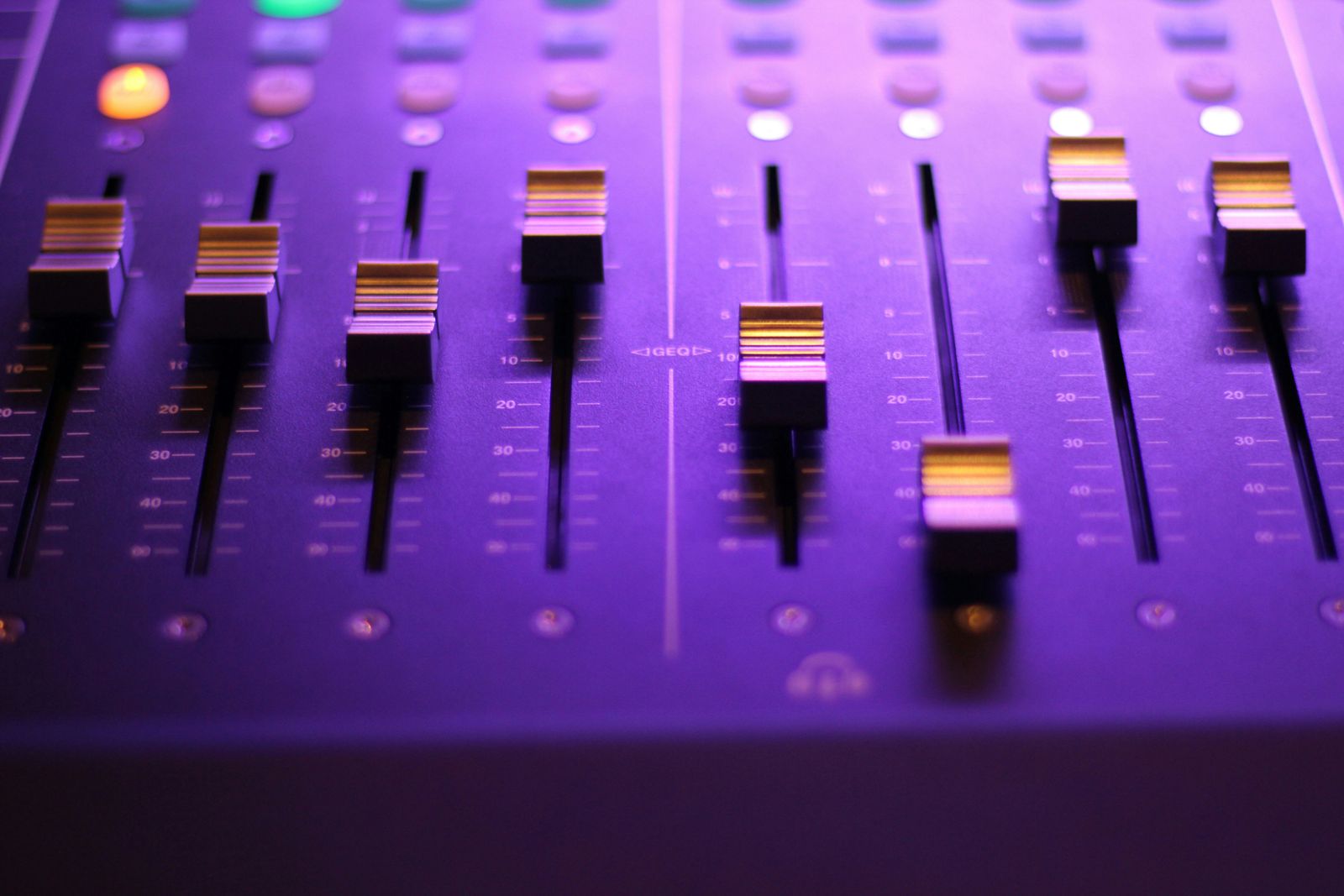
You've tracked the vocals. Mixed the beat. The song sounds good in your headphones. Then it lands on Spotify next to a major-label release and something is off. The bass feels thin, the top end is harsh, and the whole thing sounds two inches smaller than everything around it. That gap isn't a recording problem or a mix problem. It's a mastering problem, and fixing it is a specialist's job.
The short answer
- A mastering engineer applies final EQ, compression, limiting, and loudness optimization so your track sounds competitive on every streaming platform and playback system.
- In Los Angeles, professional mastering is available at MIX Recording Studio, located at 539 S Rampart Blvd, with Dolby Atmos mastering starting at $399 per song.
- MIX Recording Studio holds a 4.9-star rating from 388 Google reviews and has been open since 2017, with 24/7 access for artists across the Los Angeles area.
- A mastering engineer's decisions directly affect how loud, clear, and consistent your song sounds across Apple Music, Spotify, YouTube, and vinyl, so the role is not optional for a professional release.
MIX Recording Studio, located at 539 S Rampart Blvd in the Rampart Village neighborhood of Los Angeles, CA 90057, has worked on projects connected to MTV features and 180M+ streams since opening in 2017. The engineering roster handles everything from vocal recording and mixing to final mastering and Dolby Atmos delivery. That full chain matters because understanding what a mastering engineer does starts with knowing where they sit in the signal path.
The Mastering Engineer's Actual Job, Step by Step
Mastering is the last technical stage before distribution. The mastering engineer receives a stereo mix (or stems) and works on it as a whole unit, not on individual tracks. That constraint is the whole challenge. Every adjustment ripples across every element simultaneously, so the engineer has to hear the song the way a listener does and diagnose problems a mix engineer might be too close to catch.
The work breaks down into four core decisions.
Tonal Balance and EQ
Even a well-executed mix can have frequency imbalances that only become obvious when it plays on a speaker system outside the room where it was made. The mastering engineer uses precision EQ - often something like a Sontec or Pultec-style unit - to correct buildup in the low mids, add air in the high end, or pull back a piercing presence peak. The goal isn't to change the character of the mix. It's to make the character survive every playback system, from a car stereo to AirPods to a festival PA.
Dynamics and Compression
Mastering compression is different from mix compression. A mastering engineer works with the overall dynamic shape of the song, using a unit like an Empirical Labs Distressor or a transparent VCA compressor to glue the elements together and control how the track breathes over time. Too much and the song sounds flat. Too little and it doesn't hold together against louder releases. Finding that balance is a judgment call that takes trained ears and a reference-calibrated listening environment.
Loudness Optimization for Streaming
Spotify normalizes tracks to around -14 LUFS. Apple Music targets -16 LUFS. YouTube processes audio differently again. A mastering engineer knows these targets and limits, according to published specifications from each platform, and uses a brick-wall limiter to bring the track up to a competitive integrated loudness without clipping or distortion. Getting this wrong means your song either gets turned down automatically or sounds pumped and distorted on playback. Getting it right means the track holds its own on any playlist.
Sequencing and Format Delivery
On an album, the mastering engineer also handles sequencing: setting the gaps between tracks, matching levels so the project flows as a cohesive body of work, and embedding ISRC codes and metadata into the final DDP or WAV deliverable. For a single, delivery still includes proper file format, sample rate, and bit depth for the distributor. These are details that distributors expect and that a self-mastered file often gets wrong.
For a deeper look at how mixing feeds into this process, see the breakdown of mixing vs. mastering and what each stage does to your music.
Does mastering make a noticeable difference on streaming platforms?
Yes, and the difference is measurable. Spotify's loudness normalization means a track that isn't mastered to the -14 LUFS integrated loudness target will be turned down relative to properly mastered songs. A mastering engineer hits that target while preserving transients and stereo width so the track doesn't just meet the spec, it sounds intentional at that level.
The Decisions a Pro Engineer Makes That a Plugin Chain Skips
AI mastering tools and plugin-based self-mastering have made the basics more accessible. They've also made the gap between a processed file and a genuinely mastered record easier to hear. Here's why.
An automated tool responds to the audio it receives. A mastering engineer responds to the intent behind the audio. When a hip-hop mix comes in with a deliberately compressed, saturated low end, a good engineer doesn't correct it. They protect it, and find the headroom elsewhere. When a sparse acoustic track needs warmth without muddiness, the engineer makes surgical choices that no preset can replicate because those choices depend on genre context, release format, and the artist's stated goals.
At MIX Recording Studio, the engineering team works with a Neumann U87 on the recording side and a signal chain built for analytical precision on the mastering side. The room itself is tuned for accurate listening, which is the single most important factor in mastering quality. You can't make correct decisions about frequency balance in an untreated room with consumer speakers. The physics don't allow it.
There's also the reference comparison. A professional mastering engineer pulls up three to five reference tracks in the same genre and at the same loudness level as the target master, then compares in real time. That calibration step is what separates a mix that sounds loud from a master that sounds right. For more on what separates studios that deliver this from ones that don't, see the full breakdown of mixing and mastering in Los Angeles.
What's the difference between mixing and mastering?
Mixing works on individual tracks inside a session, balancing levels, applying effects, and building the stereo image from the ground up. Mastering works on the finished stereo mix as a single audio file, optimizing it for distribution and consistency across playback systems. They require different tools, different monitoring environments, and different ears.
Where Mastering Gets Done in Los Angeles, and Why Location Matters
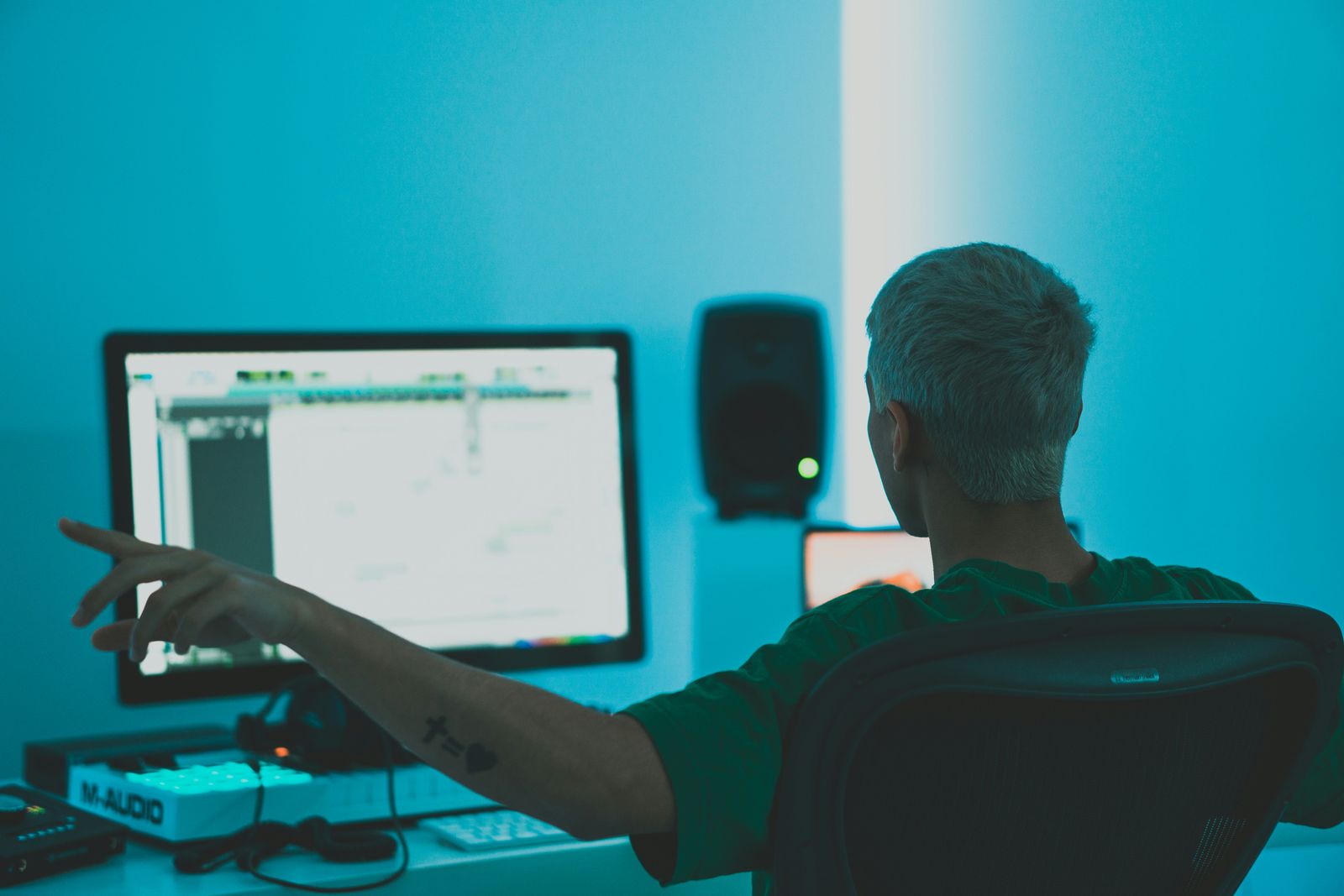
Capitol Studios and Sunset Sound are the legacy names LA artists have relied on for decades. Both are real, both have the rooms to back it up. But for an independent artist who needs professional mastering with fast turnaround, transparent pricing, and 24/7 access, the legacy options often mean long lead times and rate structures built for major-label budgets.
MIX Recording Studio operates at 539 S Rampart Blvd, less than two miles from downtown Los Angeles and directly accessible from the 101. Parking is available on-site. The studio is open 24 hours a day, every day, which matters when you're working toward a release date and need a mastered file before the distributor's upload window closes.
The studio has earned a 4.9-star rating from 388 Google reviews, with roughly 7 new reviews posted per week. That velocity reflects consistent throughput, not occasional standout sessions.
For artists working near Echo Park, Koreatown, or the Westlake district, MIX Recording Studio sits within 10 minutes of most of those neighborhoods. The best recording studios near me in Los Angeles guide explains exactly why this location works for artists across central LA.
How much does mastering cost in Los Angeles?
At MIX Recording Studio, Dolby Atmos Mixing and Mastering is $599 per song (which includes stereo mixing and mastering). If your song is already mixed and you only need Dolby Atmos mastering, that's $399 per song. Turnaround is 5 to 10 business days. For album pricing, call (323) 218-7475.
Dolby Atmos Mastering: What It Is and When You Need It
Dolby Atmos is a spatial audio format that Apple Music now delivers by default to subscribers. Rather than presenting sound in a flat stereo field, Atmos allows elements to be placed in three-dimensional space, including overhead. The mastering process for Atmos is fundamentally different from stereo mastering because the engineer is working with an object-based or stem-based session, not a single stereo bounce.
MIX Recording Studio is one of the few recording studios near downtown LA equipped to deliver Dolby Atmos masters. The full pricing is below. For a detailed look at how the stereo and Atmos processes differ, see the mixing vs. mastering breakdown.
| Service | What's Included | Rate |
|---|---|---|
| Dolby Atmos Mastering | Atmos master from your already-mixed stereo file | $399/song |
| Dolby Atmos + Stereo Mixing and Mastering | Full stereo mix plus Atmos master from your stems | $599/song |
| Album Mastering | Full-project mastering, sequencing, ISRC embedding, and DDP/WAV delivery | Call (323) 218-7475 for album rate |
Turnaround for both single-song options is 5 to 10 business days. Current rates always available at mixrecordingstudio.com/pricing or by calling (323) 218-7475.
Get a Dolby Atmos master from $399 per song, delivered in 5-10 business days.
Book at mixrecordingstudio.com/booking or call +13232187475. Open 24/7.
How to Prepare Your Mix for a Mastering Session

A mastering engineer can only work with what you give them. Sending a mix that's clipping at the output, has unchecked stereo phase issues, or has been over-compressed on the bus limits what any engineer can do at the mastering stage. Here's what the engineers at MIX Recording Studio consistently recommend before you submit.
- Leave 3 to 6 dB of headroom on the master bus. Don't push the output fader to 0 dBFS.
- Remove or bypass any limiting or hard clipping on the stereo bus before export. The mastering engineer will apply limiting at the right stage.
- Export at the highest bit depth your session supports, typically 24-bit or 32-bit float at 44.1 kHz or 48 kHz.
- Check mono compatibility before sending. If the mix collapses or loses bass when summed to mono, that's a phase issue the mastering engineer needs to know about.
- Include 3 to 5 reference tracks in the same genre, at streaming loudness, so the engineer has a calibrated target.
The guide to things you should do before your recording session covers the technical preparation checklist in more detail if you're unsure about any of these steps.
Questions Artists Ask
How much does a mastering engineer make?
Freelance mastering engineers in Los Angeles typically charge between $50 and $400 per song depending on experience and format. Staff engineers at major rooms earn salaries ranging from $45,000 to over $100,000 annually according to industry surveys. The range is wide because mastering is a specialty that scales with reputation and discography.
Who are some famous mastering engineers?
Bob Ludwig (Gateway Mastering), Greg Calbi (Sterling Sound), and Emily Lazar (Lodge Studios) are among the most credited mastering engineers in the industry. Their work spans Grammy-winning albums across hip-hop, pop, and rock. Their shared trait is a calibrated listening room, a deep knowledge of format-specific delivery specs, and a long discography of reference material.
Is Dr. Dre a mastering engineer?
Dr. Dre is a record producer and mixing engineer, not a mastering engineer. His production work, particularly on albums like The Chronic and 2001, is widely studied for its mix decisions - especially low-end clarity and frequency separation. The mastering on those records was handled by dedicated mastering engineers in separate sessions after the mix was approved.
How do you become a mastering engineer?
Most mastering engineers spend years as mix engineers first, training their ears across hundreds of sessions before specializing. Formal training programs at LA institutions like Musicians Institute or LA Recording School offer audio engineering tracks. The practical path involves assisting at a mastering facility, building a reference library, and investing in a treated room with full-range monitoring. MIX Recording Studio's blog has a guide on becoming a mixing and mastering engineer that covers the career path in detail.
Where can I get professional mastering in Los Angeles?
MIX Recording Studio at 539 S Rampart Blvd, Los Angeles, CA 90057 offers professional mastering and Dolby Atmos mastering with a 5 to 10 business day turnaround. Dolby Atmos mastering for an already-mixed song is $399 per song. The studio is open 24/7 and holds a 4.9-star rating from 388 Google reviews. Book at mixrecordingstudio.com/booking or call (323) 218-7475.
Mastering is the last decision your music goes through before a listener hears it. Getting it right requires a treated room with accurate monitoring, an engineer who knows the delivery specs for every major streaming platform, and - when Apple Music spatial audio matters to you - Dolby Atmos capability on-site. MIX Recording Studio has all three at 539 S Rampart Blvd in Los Angeles. Book your mastering session at mixrecordingstudio.com/booking or call (323) 218-7475. Open 24/7.